
Guided Meditation for Weight Loss: The Science-Backed Mind-Body Approach That Actually Works Most people begin their fat loss journey by overhauling their kitchen and joining a gym. They track calories, cut carbohydrates, and schedule workout sessions with military precision — yet something keeps derailing them. Stress eating at 11pm. Emotional hunger that no meal plan addresses. The relentless mental chatter that makes sticking to any program feel like an exhausting battle against your own mind. This is precisely where guided meditation for weight loss enters the picture — not as a replacement for sound nutrition and physical activity, but as the missing psychological layer that transforms short-term effort into lasting behavioral change. Combined with a medically guided weight loss approach that addresses both body and mind simultaneously, mindfulness practices have demonstrated remarkable clinical results that purely physical interventions consistently fail to replicate. This comprehensive resource explores how meditation influences the neuroscience of eating behavior, practical techniques for different experience levels, realistic timelines for results, and honest answers to the questions most people don’t think to ask. Whether you’ve never meditated before or you’ve dabbled without consistency, what follows provides a complete framework for integrating mindfulness into your fat loss strategy. Explore our complete weight loss guide for the foundational principles that complement this mind-body approach. The Neuroscience of Meditation and Body Weight Regulation Understanding why mindfulness practices influence body weight requires understanding the brain’s role in eating behavior — a role that conventional diet advice almost entirely ignores. The prefrontal cortex — the brain’s executive control center — governs impulse regulation, decision-making, and the ability to delay gratification. When this region functions optimally, choosing a nutritious meal over a processed comfort food feels relatively effortless. When stress, sleep deprivation, or emotional dysregulation compromise prefrontal cortex activity, the brain’s reward circuitry takes over, driving impulsive food choices that prioritize immediate pleasure over long-term goals. Chronic stress is the primary culprit in this neurological hijacking. Cortisol — the body’s principal stress hormone — not only stimulates appetite directly but also preferentially drives cravings for high-calorie, high-fat, high-sugar foods. From an evolutionary perspective, this makes sense: stress historically signaled threat, and caloric loading prepared the body for physical demands. In modern life, where stress is predominantly psychological rather than physical, this mechanism creates a direct pathway from emotional pressure to overconsumption. How Mindfulness Rewires Stress Eating Patterns Regular meditation practice measurably reduces cortisol levels through multiple mechanisms. First, it activates the parasympathetic nervous system — the “rest and digest” counterpart to the stress response — which directly suppresses cortisol secretion. Second, it strengthens prefrontal cortex activity and connectivity with the amygdala, improving emotional regulation and reducing the automatic reactivity that drives stress eating. Brain imaging studies consistently show that experienced meditators demonstrate greater gray matter density in prefrontal regions and reduced reactivity in the amygdala — the brain’s threat-detection center that triggers cortisol release. These structural changes translate directly to improved impulse control around food, reduced emotional eating frequency, and greater capacity to pause before responding to hunger cues with automatic behavior. Visit our problems section for comprehensive resources on overcoming the psychological barriers that prevent sustained progress. The Cortisol-Belly Fat Connection Cortisol doesn’t just stimulate appetite — it specifically promotes visceral fat storage in the abdominal region. Visceral fat, the metabolically active fat surrounding abdominal organs, has a particularly high density of cortisol receptors, making it especially responsive to chronic stress. This explains why people under sustained psychological pressure accumulate belly fat even when their diet and activity levels haven’t changed dramatically. Reducing cortisol through consistent mindfulness practice therefore addresses belly fat accumulation at its hormonal root rather than simply trying to exercise it away. Research published in peer-reviewed journals demonstrates that stress-reduction interventions produce measurable reductions in waist circumference even without dietary changes — evidence that the mind-body connection is not metaphorical but physiologically concrete. Our targets section helps you set realistic expectations for the timeline of these changes. Guided Meditation for Emotional Eating: Breaking the Cycle Emotional eating — consuming food in response to feelings rather than genuine physiological hunger — accounts for a significant proportion of excess caloric intake in the modern population. Boredom, loneliness, anxiety, frustration, and sadness all reliably trigger eating behavior in individuals who haven’t developed alternative emotional regulation strategies. The mechanism is straightforward: eating activates the brain’s reward system, releasing dopamine and temporarily alleviating negative emotional states. This creates a powerful conditioning loop — negative emotion triggers eating, eating provides relief, relief reinforces the behavior, and the next occurrence of that emotion more automatically triggers the eating response. Over years, this conditioning becomes deeply entrenched, feeling less like a choice and more like an uncontrollable compulsion. Using Mindfulness to Interrupt Automatic Eating Patterns Mindfulness meditation doesn’t eliminate emotions — it changes the relationship with emotions. Through regular practice, the gap between emotional stimulus and behavioral response widens. Instead of automatically reaching for food when anxiety arises, the meditator learns to notice the anxiety, observe it without being overwhelmed by it, and consciously choose a response that doesn’t involve eating. This capacity — sometimes called “response flexibility” in clinical psychology — is perhaps the single most valuable skill for long-term eating behavior change. It transforms food choices from automatic, emotionally driven reactions into conscious decisions made from a state of relative clarity rather than emotional urgency. Combined with appropriate diet plans, this psychological shift creates behavioral consistency that willpower-based approaches cannot sustain. Practical Mindful Eating Techniques Beyond formal sitting meditation, mindful eating practices bring contemplative awareness directly to the experience of consuming food: The hunger-fullness scale: Before eating, pause and genuinely assess hunger on a scale of one to ten. Most emotional eating occurs at levels four to six — mild discomfort rather than genuine physiological need. This simple awareness practice alone reduces unnecessary eating frequency for many practitioners. Single-tasking meals: Eating without screens, reading material, or other distractions allows the brain to register satiety signals accurately. Research consistently shows that distracted eating increases total
Slide 1 Title
Slide 1 Sub Title
Slider 1 Description Text, Lorem ipsum dolor sit amet, consectetur adipiscing elit. Curabitur laoreet cursus volutpat. Aliquam sit amet ligula et justo tincidunt laoreet non vitae lorem.
Slide 1 Title
Slide 1 Sub Title
Slider 1 Description Text, Lorem ipsum dolor sit amet, consectetur adipiscing elit. Curabitur laoreet cursus volutpat. Aliquam sit amet ligula et justo tincidunt laoreet non vitae lorem.
Slide 2 Title
Slide 2 Sub Title
Slider 2 Description Text, Lorem ipsum dolor sit amet, consectetur adipiscing elit. Curabitur laoreet cursus volutpat. Aliquam sit amet ligula et justo tincidunt laoreet non vitae lorem.
Slide 3 Title
Slide 3 Sub Title
Slider 3 Description Text, Lorem ipsum dolor sit amet, consectetur adipiscing elit. Curabitur laoreet cursus volutpat. Aliquam sit amet ligula et justo tincidunt laoreet non vitae lorem.
Weight Loss Guide
Carnivore Diet Meal Plan
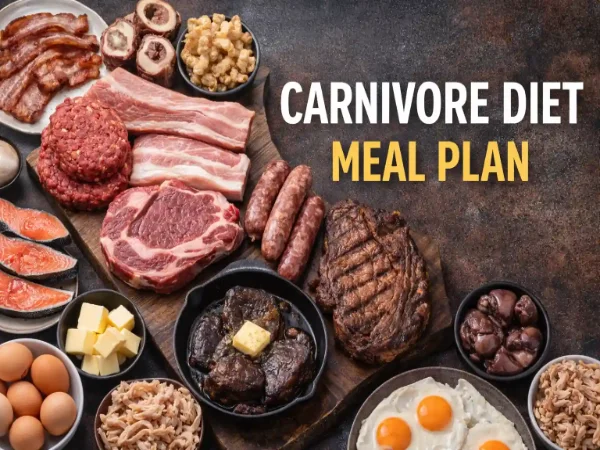
The Ultimate Carnivore Diet Meal Plan: Your Complete Guide to Animal-Based Eating Most people stumble upon the carnivore diet after years of trying everything else the paleo diet meal plan that worked for a while but plateaued, the low-carb protocols that felt restrictive, the plant-based approaches that leftthem bloated and fatigued. Then someone mentions an all-meat dietary protocol, and the reaction is usually the same: disbelief, curiosity, and eventually a deep dive into one of the most talked-about nutritional movements of the past decade. If you’ve landed here, chances are you’re ready to explore what a structured carnivore diet meal plan actually looks like in practice not in theory, but meal by meal, day by day. This guide covers everything from the foundational principles of animal-based eating to practical daily food regimens, beginner strategies, and honest answers to the questions people ask most. Whether your goal is fat loss, reduced inflammation, improved gut health, or simply reclaiming energy that’s been missing for years, the framework laid out here gives you a clear, actionable starting point. Explore our complete weight loss guide for foundational principles that complement any dietary approach. What Is the Carnivore Diet and Why Is It Gaining Momentum The carnivore diet is exactly what it sounds like a zero-carb protocol built entirely around animal products. Beef, lamb, pork, poultry, fish, eggs, and select dairy form the entire nutritional foundation. No vegetables, no fruit, no grains, no legumes. For people accustomed to being told that fiber and plant compounds are non-negotiable for health, this sounds extreme. But for a growing community of practitioners, the results speak louder than conventional wisdom. At its core, animal-based eating operates on a simple premise: humans evolved primarily as meat-eaters, and our digestive systems are optimized for animal proteins and fats rather than plant matter. Proponents argue that eliminating plant-based foods removes antinutrients compounds like oxalates, lectins, and phytates that can trigger inflammation, disrupt gut lining, and interfere with mineral absorption in sensitive individuals. The Science Behind Zero-Carb Eating When carbohydrates are eliminated entirely, the body enters a state of deep fat adaptation. Unlike standard ketosis where some carbohydrates remain in the diet the carnivore approach pushes metabolic flexibility to its limits. The liver produces ketone bodies from dietary fat and stored body fat, providing a consistent, clean fuel source for the brain and muscles. This metabolic shift has significant implications for insulin resistance. Without carbohydrates driving insulin spikes, blood sugar stabilizes remarkably quickly for most people. Those who have struggled with energy crashes, sugar cravings, and afternoon fatigue often report that these symptoms disappear within the first two weeks of committing to a meat-based diet. Who Benefits Most from Animal-Based Nutrition Research and anecdotal evidence both point to specific groups who experience the most dramatic improvements on this dietary protocol. Individuals dealing with autoimmune conditions including psoriasis, rheumatoid arthritis, and inflammatory bowel disease frequently report significant symptom reduction. People with metabolic syndrome, obesity, and type 2 diabetes often see rapid improvements in blood markers. Athletes seeking lean muscle preservation without the carbohydrate dependency find that animal proteins provide complete amino acid profiles without compromise. Our diet plans section covers the full spectrum of nutritional approaches so you can compare frameworks and make an informed decision. Building Your Carnivore Diet Meal Plan: The Foundation A well-constructed meat-based food regimen isn’t simply eating random animal products throughout the day. Strategic food choices, proper fat-to-protein ratios, and meal timing all influence how effectively your body adapts and how sustainable the approach becomes long-term. The most important principle for beginners is prioritizing fatty cuts of meat over lean proteins. This surprises many people who associate fat loss with low-fat eating. On a zero-carb protocol, dietary fat becomes your primary energy source. Without sufficient fat intake, you’ll experience fatigue, hunger, and what the carnivore community calls “rabbit starvation” a state of protein toxicity that occurs when lean meat is consumed without adequate fat. Ideal Foods for Your Meat-Based Dietary Protocol Ruminant meats form the cornerstone of most carnivore meal plans: Ribeye steak the gold standard, with an ideal fat-to-protein ratio Ground beef (80/20 fat content) affordable, versatile, nutrient-dense Brisket, short ribs, chuck roast collagen-rich cuts that support joint health Lamb chops and shoulder rich in zinc, iron, and B vitamins Organ meats liver, heart, and kidney provide concentrated micronutrients that rival any multivitamin Pork and poultry: Bacon high fat, satisfying, and surprisingly nutrient-rich when sourced well Pork belly and shoulder excellent fat content for sustained energy Chicken thighs with skin far superior to breast meat on this protocol Seafood: Salmon rich in omega-3 fatty acids that reduce systemic inflammation Sardines one of the most nutrient-dense foods on the planet Oysters exceptional zinc content for hormonal health Supporting foods: Eggs complete protein with perfect fat balance Butter and tallow cooking fats that add calories without complexity Bone broth collagen, electrolytes, and gut-supportive compounds Pair your meat choices with appropriate cooking techniques from our recipes section. Understanding Fat Adaptation on a Carnivore Protocol Fat adaptation is the physiological process by which your metabolism shifts from relying on glucose to efficiently burning fat for fuel. This transition typically takes two to four weeks and involves a temporary adjustment period that many people call the “carnivore flu” characterized by fatigue, headaches, brain fog, and irritability. Understanding this phase is critical for success. Most people who abandon the protocol do so during this adaptation window, mistakenly believing the diet doesn’t work for them. In reality, these symptoms signal that the metabolic transition is actively occurring. Adequate sodium intake through salt and bone broth dramatically reduces the severity of these symptoms by maintaining electrolyte balance as the kidneys adjust to lower insulin levels. Your 7-Day Carnivore Diet Meal Plan Here is a practical, detailed weekly food regimen designed for beginners transitioning to animal-based eating. Each day provides approximately 2,000 to 2,500 calories with a fat-to-protein ratio of roughly 70:30 the sweet spot for most people entering fat adaptation. Day 1 to Day 3: The
Weight Loss Guide
The Complete Keto Weight Loss Guide: Everything You Need to Know to Burn Fat Effectively Picture this: you’ve spent years following conventional nutrition guidance low-fat meals, calorie counting, endless cardio sessions and the results have been frustratingly temporary at best. Then a friend mentions they’ve been following a nutrition guide for weight loss built around high fat and virtually zero carbohydrates, and they’ve dropped three clothing sizes in four months. That’s the moment most people first seriously consider a structured keto weight loss guide not as a trend to follow, but as a genuine metabolic solution to a problem that conventional approaches have repeatedly failed to solve. This comprehensive resource covers the science, the practical framework, the common pitfalls, and the honest expectations that come with committing to a ketogenic approach. Whether you’re a complete beginner or someone who has attempted keto before without sustained results, the information here provides a clear, actionable foundation for doing it properly this time. Visit our complete weight loss guide for additional foundational principles that support any fat loss journey. Understanding Ketosis: The Metabolic Foundation of Keto Before diving into practical meal strategies and workout protocols, understanding what ketosis actually is and why it produces the results it does makes the entire approach significantly more intuitive and sustainable. Ketosis is a natural metabolic state in which the body shifts its primary fuel source from glucose to ketone bodies. This shift occurs when carbohydrate intake drops low enough typically below 20 to 50 grams per day that the liver begins converting stored fat and dietary fat into ketones, which then fuel the brain, muscles, and organs. The profound implication of this shift is that your body essentially becomes a fat-burning machine, accessing both dietary fat and stored body fat as continuous energy sources. Why Ketosis Produces Superior Fat Loss Results The conventional approach to fat reduction relies on creating a calorie deficit eating less than you burn. While this principle is technically sound, it ignores a critical variable: hormonal regulation of fat storage. Insulin, the hormone released in response to carbohydrate consumption, is the body’s primary fat-storage signal. When insulin remains chronically elevated as it does on high-carbohydrate diets the body physically cannot access stored fat efficiently, regardless of caloric restriction. Ketogenic eating addresses this mechanism directly. By eliminating the carbohydrates that drive insulin secretion, blood insulin levels drop to their baseline, unlocking stored fat for energy use. This hormonal advantage explains why many people on a well-formulated ketogenic protocol lose body fat even without deliberate caloric restriction the metabolic environment itself favors fat oxidation. Explore our diet plans section for detailed comparisons of different nutritional approaches and their mechanisms. The Role of Fat Adaptation in Long-Term Success Fat adaptation is the deeper physiological process that occurs over weeks and months of sustained ketogenic eating. Initially, the body is inefficient at using ketones it’s accustomed to glucose as its primary fuel. During this transition, lasting approximately two to four weeks, many people experience what’s commonly called the “keto flu” fatigue, brain fog, irritability, and reduced athletic performance. Understanding this phase is critical for long-term success. Most people who abandon the ketogenic approach do so during this adaptation window, interpreting temporary discomfort as evidence that the diet isn’t working. In reality, these symptoms represent the metabolic rewiring that ultimately delivers the sustained energy, mental clarity, and effortless fat burning that characterize fully fat-adapted individuals. Managing electrolytes particularly sodium, potassium, and magnesium dramatically reduces the severity of adaptation symptoms. The 9 Rules of Keto: Your Non-Negotiable Foundation A successful ketogenic protocol isn’t built on vague principles it requires specific, consistent practices that maintain the metabolic conditions necessary for sustained ketosis. Rule 1 Keep Net Carbs Below 20 Grams Daily: This is the single most important rule. Net carbs are calculated by subtracting fiber from total carbohydrates, as fiber doesn’t raise blood glucose. For most people, staying below 20 grams of net carbs consistently maintains ketosis. Rule 2 Prioritize Fat as Your Primary Calorie Source: Fat should comprise 70 to 75 percent of your daily calories. This seems counterintuitive to anyone raised on low-fat dietary advice, but on a ketogenic protocol, dietary fat is fuel not a threat. Rule 3 Maintain Adequate Protein Without Excess: Protein should represent 20 to 25 percent of calories. Too little protein causes muscle loss; too much triggers gluconeogenesis a process where excess protein converts to glucose, potentially disrupting ketosis. Rule 4 Prioritize Whole Food Sources: Processed “keto-friendly” products often contain hidden ingredients that spike insulin. Prioritizing whole foods meat, fish, eggs, non-starchy vegetables, nuts, and quality fats eliminates this variable. Our recipes section provides practical whole-food meal ideas for every stage of the protocol. Rule 5 Track Electrolytes Consistently: Sodium, potassium, and magnesium are excreted more rapidly in ketosis due to lower insulin levels affecting kidney function. Supplementing these minerals prevents the fatigue and cramping that derail beginners. Rule 6 Stay Hydrated: Ketosis is a diuretic state. Increased water loss accompanies the metabolic shift, making hydration more important than on standard dietary approaches. Rule 7 Avoid Cheat Days Early On: A single high-carbohydrate day during the first month disrupts the fat adaptation process significantly, potentially requiring an additional one to two weeks to reestablish ketosis. After full adaptation, metabolic flexibility improves, but early consistency is non-negotiable. Rule 8 Prioritize Sleep: Poor sleep elevates cortisol, which raises blood glucose even in the absence of carbohydrate consumption, potentially disrupting ketosis. Seven to nine hours of quality sleep supports every aspect of the protocol. Rule 9 Measure Results Beyond the Scale: Body composition, energy levels, mental clarity, and performance metrics all reflect ketogenic adaptation more accurately than scale weight alone, particularly in the first month. Track your targets carefully to maintain perspective during plateaus. What to Eat and What to Avoid on Keto The practical food framework for a ketogenic protocol is simpler than most people expect once the underlying logic is understood. The question isn’t primarily about calories or portions it’s about carbohydrate
Weight Loss Supplements
Weight Loss Exersice
Targets
Biggest question entering Opening Day: What can Tampa Bay get from Shane McClanahan? In his first three major league seasons from 2021-23, McClanahan was exceptional on the mound, posting a 33-16 record and 3.02 ERA across 74 starts. But he hasn’t pitched in a regular-season game since August 2023, missing 2024 after undergoing Tommy John surgery and sitting out 2025 with a nerve injury in his left arm. He returned to the mound this spring and has looked good. A return to form for the southpaw ace feels like a requirement for the Rays to keep up in a brutally talented division as the team returns to Tropicana Field after playing elsewhere in the city last season due to damage caused by Hurricane Milton.
Exercise
While speaking to reporters at the White House alongside Trump, Vance ‘sidestepped’ a question regarding his previous statements on West Asia, ‘You’re trying to drive a wedge between members of the administration, between me and the president. What the president said consistently going back to 2015, and I agreed with him, is that Iran should not have a nuclear weapon.’ According to CNN, when pressed further on whether he had any reservations about US involvement in the war with Iran, Vance reiterated his support, saying he trusts the president ‘to get the job done.’
- Weight Loss Supplements

While speaking to reporters at the White House alongside Trump, Vance ‘sidestepped’ a question regarding his previous statements on West...

While speaking to reporters at the White House alongside Trump, Vance ‘sidestepped’ a question regarding his previous statements on West...
Weight Loss Supplements
Weight Loss Exersice
Targets
Biggest question entering Opening Day: What can Tampa Bay get from Shane McClanahan? In his first three major league seasons from 2021-23, McClanahan was exceptional on the mound, posting a 33-16 record and 3.02 ERA across 74 starts. But he hasn’t pitched in a regular-season game since August 2023, missing 2024 after undergoing Tommy John surgery and sitting out 2025 with a nerve injury in his left arm. He returned to the mound this spring and has looked good. A return to form for the southpaw ace feels like a requirement for the Rays to keep up in a brutally talented division as the team returns to Tropicana Field after playing elsewhere in the city last season due to damage caused by Hurricane Milton.
Exercise
While speaking to reporters at the White House alongside Trump, Vance ‘sidestepped’ a question regarding his previous statements on West Asia, ‘You’re trying to drive a wedge between members of the administration, between me and the president. What the president said consistently going back to 2015, and I agreed with him, is that Iran should not have a nuclear weapon.’ According to CNN, when pressed further on whether he had any reservations about US involvement in the war with Iran, Vance reiterated his support, saying he trusts the president ‘to get the job done.’
- Weight Loss Supplements

Biggest question entering Opening Day: What can Tampa Bay get from Shane McClanahan? In his first three major league seasons...

While speaking to reporters at the White House alongside Trump, Vance ‘sidestepped’ a question regarding his previous statements on West...

While speaking to reporters at the White House alongside Trump, Vance ‘sidestepped’ a question regarding his previous statements on West...
Diet Plans
- All Posts
- Challenges
- Diet Plan
- Fitness & Workout
- Men’s Weight Loss
- Problems
- Recipes
- Targets
- Transformations
- Weight Loss Exercises
- Weight Loss Guides
- Weight Loss Quick Results
- Weight Loss Supplements
- Weight Loss Tools
- Women’s Weight Loss
- Back
- NYC
Guided Meditation for Weight Loss: The Science-Backed Mind-Body Approach That Actually Works Most people begin their fat loss journey by...

The Ultimate Carnivore Diet Meal Plan: Your Complete Guide to Animal-Based Eating Most people stumble upon the carnivore diet after...
Diet Plans
- All Posts
- Challenges
- Diet Plan
- Fitness & Workout
- Men’s Weight Loss
- Problems
- Recipes
- Targets
- Transformations
- Weight Loss Exercises
- Weight Loss Guides
- Weight Loss Quick Results
- Weight Loss Supplements
- Weight Loss Tools
- Women’s Weight Loss
- Back
- NYC
Guided Meditation for Weight Loss: The Science-Backed Mind-Body Approach That Actually Works Most people begin their fat loss journey by...

The Ultimate Carnivore Diet Meal Plan: Your Complete Guide to Animal-Based Eating Most people stumble upon the carnivore diet after...
Diet Plans
- All Posts
- Challenges
- Diet Plan
- Fitness & Workout
- Men’s Weight Loss
- Problems
- Recipes
- Targets
- Transformations
- Weight Loss Exercises
- Weight Loss Guides
- Weight Loss Quick Results
- Weight Loss Supplements
- Weight Loss Tools
- Women’s Weight Loss
- Back
- NYC
Guided Meditation for Weight Loss: The Science-Backed Mind-Body Approach That Actually Works Most people begin their fat loss journey by...

The Ultimate Carnivore Diet Meal Plan: Your Complete Guide to Animal-Based Eating Most people stumble upon the carnivore diet after...