

Pink Gelatin Weight Loss Recipe The Simple 3-Ingredient Trick That Actually Works Picture this: you are standing in your kitchen at 7 in the morning, desperate to find something anything that finally moves the needle on your weight loss journey. You have tried smoothies, skipped meals, and spent a small fortune on supplements. Then a friend mentions the pink gelatin weight loss recipe, and you wonder if it is just another gimmick. But here is the thing this is one gelatin recipe for weight loss that has genuine nutritional science behind it, and thousands of people are quietly swearing by it every morning. In this guide, you will learn exactly what it is, why it works, how to make it, and what experts actually say about gelatin and fat loss. No fluff, no filler just real, actionable information for real people trying to reach real goals. If you have been searching for a sustainable, budget-friendly, kitchen-ready solution, keep reading. Before we dive into the recipe itself, it helps to understand why so many people are making this a daily ritual. Gelatin is not a new ingredient it has been used in cooking for centuries. What is new is the way modern nutrition research is connecting its amino acid profile, particularly glycine and proline, to appetite regulation, gut health, and metabolic support. Combined with the mineral-rich properties of Himalayan pink salt and the digestive benefits of citrus, this three-ingredient blend has earned its place as a morning tonic worth trying. For those curious about the broader landscape of weight loss guide strategies and science-backed approaches, this fits right in. What Is the Pink Gelatin Weight Loss Recipe and Why Is Everyone Talking About It? The pink gelatin weight loss recipe is a simple morning drink made from unflavored gelatin powder, Himalayan pink salt, and a splash of lemon or lime juice, mixed into warm water. The result is a lightly tangy, mineral-infused tonic that is consumed first thing in the morning on an empty stomach. The pink color comes from the trace minerals in Himalayan rock salt, which give it a distinctive blush hue that sets it apart from regular gelatin drinks. The combination of these three ingredients is believed to work together to support satiety, improve digestion, and gently stimulate the body’s natural fat-burning mechanisms without resorting to harsh stimulants or synthetic compounds. The recipe gained viral momentum across social media platforms when users began sharing their before-and-after results, crediting the drink with reducing bloating, curbing cravings, and helping them stay consistent with their eating habits. Unlike many trending diet hacks, this one is rooted in real nutritional logic. Gelatin provides a slow-digesting protein source that keeps hunger hormones like ghrelin in check. Pink Himalayan salt delivers electrolytes including potassium and magnesium that support hydration and metabolic function. Lemon juice adds vitamin C, which plays a role in fat oxidation. Together, these form a tonic that addresses several root causes of weight gain simultaneously. What makes this approach stand out from other trending fixes is its accessibility. You do not need expensive equipment, rare ingredients, or a nutritionist on speed dial. Everything you need is likely already in your pantry. And unlike pharmaceutical interventions, this tonic works gently alongside your existing lifestyle rather than replacing it. For those curious about how pharmaceutical-grade options compare, you can explore the semaglutide weight loss before and after results to understand the difference in scale and mechanism. The gelatin approach will not deliver those dramatic numbers, but it offers a safe, accessible starting point for anyone ready to make a meaningful lifestyle shift. What Is the Difference Between Jello and Gelatin? This is one of the most common questions people have when they first hear about this recipe. Jello the brand name product most of us grew up eating is a flavored, sweetened dessert mix that happens to contain gelatin as its setting agent. Plain unflavored gelatin, on the other hand, is the pure protein extract derived from collagen-rich animal tissues such as bovine hides and bones. It contains no added sugars, artificial colors, or flavorings. For weight loss purposes, you always want to use unflavored, unsweetened gelatin powder not the boxed Jell-O product from the dessert aisle. The amino acid content, particularly glycine and hydroxyproline, is what delivers the metabolic and digestive benefits. Jello, with its sugar load, would work against your goals rather than supporting them. When shopping, look for terms like ‘unflavored gelatin powder,’ ‘collagen gelatin,’ or ‘grass-fed gelatin.’ Brands like Knox have been around for decades and are widely available, while grass-fed options from specialty health brands offer slightly higher nutrient density. Marine collagen is another variation derived from fish, which some people prefer for ethical or dietary reasons. Either type will work for this recipe, though bovine gelatin tends to have a stronger gelling effect per gram of protein. Store your gelatin powder in a cool, dry place away from moisture, and it will last for months without losing potency. The Exact Pink Gelatin Weight Loss Recipe: Step-by-Step What Are the Three Ingredients to Add to Gelatin for Weight Loss? The three core ingredients in this recipe are unflavored gelatin powder, Himalayan pink salt, and fresh lemon juice. Each plays a specific functional role in the formula, and removing or substituting any one of them changes the nutritional equation significantly. Here is the complete preparation guide for one serving: Ingredient 1 Unflavored Gelatin Powder (1 tablespoon / approximately 10 grams): This is your primary protein source and the heart of the recipe. One tablespoon of unflavored gelatin contains roughly 6 to 8 grams of protein, almost zero carbohydrates, and negligible fat. It dissolves best when you first bloom it meaning you stir it into a small amount of cold water and let it sit for two minutes before adding hot liquid. This prevents clumping and ensures smooth dissolution. Ingredient 2 Himalayan Pink Salt (a small pinch, roughly 1/8 teaspoon): The mineral content in this rock salt goes beyond

Tirzepatide Maintenance Dose After Weight Loss
Tirzepatide Maintenance Dose After Weight Loss What Happens When You Hit Your Goal? You have crossed the finish line. Months of discipline, weekly injections, and gradual dose escalation have paid off the scale finally shows the number you have been chasing. But here is the question nobody warns you about: what comes next? Understanding the right tirzepatide maintenance dose after weight loss is arguably more important than the weight-loss phase itself, because this is where most people slip up. Clinical data on tirzepatide weight loss before and after results consistently shows dramatic transformations but those results only stick when the transition from active dosing to long-term management is handled correctly. This guide walks you through exactly how to navigate that transition, what science says about staying on this dual GIP/GLP-1 receptor agonist long-term, and how to protect every kilogram you have fought so hard to lose. Why Maintenance Dosing Is a Different Game Entirely The Biology Behind Weight Regain Your body does not surrender fat willingly. After significant weight loss, the human body activates a series of adaptive hormonal responses leptin drops, ghrelin rises, and metabolic rate slows. This is not a character flaw; it is evolutionary biology doing exactly what it was designed to do. Research published in The New England Journal of Medicine found that participants who discontinued the medication regained approximately two-thirds of their lost weight within a year. This single finding reshaped how physicians now think about long-term obesity management. The weekly injection is not a short-course antibiotic it is closer in philosophy to a blood pressure medication: something many patients benefit from indefinitely. This is why the concept of a maintenance phase exists. Rather than stopping treatment the moment the goal weight is reached, clinicians now recommend transitioning to the lowest effective dose that keeps hunger, appetite regulation, and metabolic function in balance. Think of it as finding the floor the minimum therapeutic level at which your body remains in equilibrium. For many patients, that floor is lower than the peak dose used during active weight reduction, but it is rarely zero. If you have been following a structured weight loss guide and tracking your progress carefully, you are already ahead of most patients entering this phase. How the Body Responds to Dose Reduction When the dose is tapered thoughtfully, most patients report a modest increase in appetite compared to their peak-dose experience but far less hunger than they felt before starting treatment altogether. The dual mechanism targeting both GIP and GLP-1 receptors continues to regulate gastric emptying and satiety signaling even at lower concentrations. Blood glucose control, insulin sensitivity improvements, and cardiovascular benefits also persist, though the magnitude may vary by individual. The key insight here is that maintenance is not withdrawal it is calibration. Your physician is not removing the medication; they are finding the minimum dose that preserves the metabolic environment your body has adapted to. Patients who understand this distinction tend to have far better long-term outcomes than those who view stopping as the natural endpoint of treatment. Interestingly, many users who document their personal weight loss transformation report that the maintenance phase felt psychologically harder than the active phase not because of hunger, but because of the uncertainty around whether the results would hold. The Tirzepatide Dosage Chart for Weight Loss: From Active Phase to Maintenance Standard Escalation and Where Maintenance Begins The standard escalation protocol starts at 2.5 mg weekly for the first four weeks, then increases by 2.5 mg increments every four weeks as tolerated. The therapeutic range spans from 5 mg to 15 mg weekly, with 10 mg and 15 mg being the doses where the most significant fat reduction occurs in clinical trials. Using a proper tirzepatide dosage chart for weight loss helps patients and clinicians track this escalation systematically. Once goal weight is achieved, the clinical approach to maintenance varies by provider, but a common framework looks like this: if a patient reached their target on 10 mg, the physician may trial a step-down to 7.5 mg and monitor for four to eight weeks. If weight remains stable and hunger does not significantly increase, that becomes the maintenance dose. If weight begins creeping up or appetite surges, the dose is returned to the previously effective level. There is no universal formula the right dose is the lowest one that keeps you stable, and finding it requires patience and honest communication with your healthcare provider. Many patients also benefit from pairing this pharmacological approach with a sustainable structured nutrition plan to reduce reliance on higher doses over time. Can You Eventually Stop Completely? This is the question every patient asks, and the honest answer is: some can, most cannot at least not without behavioral and dietary support firmly in place. Obesity is a chronic condition with strong genetic and neurobiological underpinnings. For patients who have made substantial lifestyle changes, built sustainable eating habits, and maintained activity levels, a supervised trial of discontinuation under physician guidance is sometimes appropriate. However, stopping abruptly is never recommended. The withdrawal should mirror the escalation: slow, stepwise, and monitored. Even patients who successfully discontinue should have a clear plan for restarting if weight regain begins. Some clinicians use a “drug holiday” approach pausing treatment seasonally while maintaining lifestyle habits though the evidence base for this strategy is still emerging. The broader conversation about peptides for long-term weight management is evolving rapidly, and staying informed matters. How Fast Does Tirzepatide Work for Weight Loss And How Slowly Should You Taper? The Timeline of Results Most patients begin noticing appetite suppression within the first one to two weeks of starting treatment, even at the lowest 2.5 mg starting dose. Measurable weight reduction typically begins by week four, with the most dramatic changes occurring between months two and six as the dose escalates. Clinical trial data shows that participants on the highest dose lost an average of 22.5% of their body weight over 72 weeks a figure that eclipsed results seen

Semaglutide Weight Loss Before And After
Semaglutide Weight Loss Before and After Real Results, Timeline & What to Expect If you’ve been searching for semaglutide weight loss before and after results, you’re not alone. Millions of people are turning to this FDA-approved medication to tackle obesity and achieve lasting fat reduction. But what does the journey actually look like week by week, month by month? In this comprehensive guide, we break down real transformation timelines, dosage schedules, clinical data, and what to realistically expect at every stage of your semaglutide program. Whether you’re a first-time user or evaluating this treatment for long-term management, this guide covers everything you need to make an informed decision. 📑 Table of Contents What Is Semaglutide and How Does It Work? Semaglutide Weight Loss Before and After: Real Timeline Average Fat Reduction Results by Duration Semaglutide Dosage Chart (ml and Units) Maintenance Phase: Sustaining Your Results Finding a Semaglutide Clinic Near You Semaglutide vs Ozempic for Fat Loss Semaglutide and Metformin Together What If You Experience No Results? Online Program Options FAQ: Your Questions Answered What Is Semaglutide and How Does It Work? Semaglutide is a glucagon-like peptide-1 (GLP-1) receptor agonist. It mimics a hormone your intestines naturally release after eating. This hormone signals your brain to feel full, slows gastric emptying, and reduces appetite creating a calorie deficit without constant hunger. Originally developed for type 2 diabetes management (under the brand Ozempic), it was later approved at higher doses specifically for chronic body mass management under the brand name Wegovy. Clinical trials published in the New England Journal of Medicine demonstrated that participants using semaglutide lost significantly more body mass than those on a placebo. Key Mechanisms of Action Appetite suppression: Reduces hunger signals sent to the hypothalamus Slows digestion: Food stays in the stomach longer, keeping you fuller Blood sugar regulation: Reduces post-meal glucose spikes Metabolic improvement: Enhances insulin sensitivity over time For those curious about other peptide-based approaches, our guide on peptides for weight loss offers additional context. Semaglutide Weight Loss Before and After: Real Timeline Understanding what to expect at each phase helps set realistic goals. Here is a general progression based on clinical data and patient-reported outcomes: Weeks 1–4: The Adjustment Phase Most individuals begin at 0.25 mg per week. During this period, the primary goal is tolerance, not dramatic slimming. Common experiences include: Mild nausea, especially after meals Reduced appetite within the first 7–10 days Modest body mass reduction of 1–3 lbs Increased feelings of fullness after smaller portions This phase is crucial for long-term success. Do not skip it your body needs time to adapt. Weeks 5–12: Early Transformation The dose typically increases to 0.5 mg, then 1.0 mg. This is when many users begin noticing visible changes: Body mass reduction of 5–10% from baseline Clothing fits noticeably looser Energy levels often improve Cravings for processed and high-calorie foods decrease significantly Pairing semaglutide with a structured fitness plan accelerates these outcomes. Explore our fitness workout guide for routines that complement GLP-1 therapy. Months 3–6: Peak Fat Reduction Period This is where the most dramatic semaglutide before-and-after transformations occur. Clinical STEP trial data showed: Average reduction of 10–15% of total body mass Significant improvements in waist circumference Reduction in blood pressure, triglycerides, and HbA1c Improved sleep quality and mobility Months 6–12: Sustained Progress Users who remain consistent see cumulative fat reduction of 15–20% or more. At this stage, the focus often shifts toward body composition maintaining muscle while shedding remaining fat. Use our ideal body weight calculator to track your target range and adjust expectations accordingly. Average Fat Reduction Results by Duration Timeframe Avg. Body Mass Reduction Dose Range Notes 4 weeks 1–3 lbs 0.25 mg/week Tolerance building 3 months 5–10% 0.5–1.0 mg/week Visible changes begin 6 months 10–15% 1.0–2.0 mg/week Peak progress phase 12 months 15–20%+ 2.4 mg/week (max) Sustained transformation Semaglutide Dosage Chart: ml and Units Explained Understanding the dosage schedule is essential for safe and effective treatment. The titration schedule below applies to subcutaneous injections: Dosage Chart (ml) Week Dose (mg) Volume (ml)* Units (100u syringe)* 1–4 0.25 mg 0.25 ml 25 units 5–8 0.5 mg 0.5 ml 50 units 9–12 1.0 mg 1.0 ml 100 units 13–16 1.7 mg 1.7 ml 170 units 17+ 2.4 mg 2.4 ml 240 units *Based on compounded semaglutide at 1mg/ml concentration. Always confirm with your prescribing physician. For broader context on supplement-based approaches, explore our supplements guide. Semaglutide Maintenance Dose for Long-Term Success Once you reach your target, the question becomes: how do you stay there? The maintenance phase typically involves: Stable dosing: Most clinicians recommend staying at 1.0–2.4 mg/week depending on individual response Dietary habits: A calorie-controlled, protein-rich diet helps preserve lean mass Physical activity: Regular movement prevents regain Monitoring: Routine lab work and check-ins with your provider If you’re unsure how many calories to target, our TDEE calculator and calorie deficit calculator provide personalized estimates. Some patients attempt to reduce the dose gradually while monitoring their appetite and body mass. Abrupt discontinuation is associated with rebound, so consult your provider before making changes. Finding a Semaglutide Weight Loss Clinic Near You Access to treatment varies by region. Below are common options by city and program type: Top Cities with Established Clinics Semaglutide in Miami: Florida has numerous med-spas and obesity medicine clinics. Look for board-certified practitioners with GLP-1 experience. Jacksonville, FL: Growing network of endocrinology and bariatric-adjacent practices offering GLP-1 therapy. San Antonio, TX: Several weight management centers serve this region, including telehealth-based services. Las Vegas, NV: Aesthetic and wellness clinics offer injectable therapy alongside body contouring services. Tampa, FL: Home to academic medical centers that run obesity management programs with semaglutide protocols. How to Search for a Local Provider Search ‘weight loss clinic near me semaglutide’ on Google Maps Check your insurance provider’s directory for covered GLP-1 specialists Ask your primary care physician for a referral to an endocrinologist Look for telehealth providers who ship compounded semaglutide

How to Tighten Skin After Weight Loss Naturally
How to Tighten Skin After Weight Loss Naturally: A Complete Guide That Actually Works When Daniel lost 87 pounds over fourteen months partly through a structured meal plan and partly inspired by the dramatic tirzepatide weight loss before and after stories he had read online he expected to feel incredible. And in many ways, he did. His energy was up, his bloodwork was clean, and his confidence had transformed. But standing in front of the mirror, he noticed something nobody had warned him about: loose, sagging skin around his belly, arms, and thighs. He was not alone. Millions of people who achieve significant weight loss face this exact challenge and the good news is that learning how to tighten skin after weight loss naturally is more achievable than most people realize, especially when you start early and stay consistent. Why Does Skin Become Loose or Saggy After Weight Loss? Understanding why skin behaves the way it does after shedding pounds is the first step toward addressing it intelligently. The skin is a living organ elastic, adaptive, and remarkably resilient under the right conditions. But it has limits, and rapid weight loss pushes those limits hard. The Role of Collagen and Elastin Fibers Your skin’s firmness and bounce come primarily from collagen and elastin fibers woven into the deeper dermal layer. Collagen provides structural support, while elastin allows the skin to stretch and spring back. When the body carries excess weight for an extended period, the skin stretches to accommodate the expanded tissue beneath it. To make things more complex, the body produces less collagen as we age, which means the older you are when you lose weight, the slower the skin’s recovery tends to be. Sun exposure, smoking, and poor nutrition further degrade collagen and elastin, leaving the skin with even less structural resilience to work with after the weight comes off. The result loose or sagging skin is not a failure. It is a biological consequence of a process the body was not fully designed for at speed. Understanding this helps set realistic expectations about the recovery timeline and what natural methods can realistically achieve. For broader context on the weight loss journey, our Weight Loss Guide covers the full picture. How Much Loose Skin You Get Depends on Several Factors Not everyone who loses weight ends up with the same degree of skin laxity. The amount of weight lost is one of the biggest predictors someone who loses 30 pounds will generally experience far less loose skin than someone who loses 130 pounds. Age plays a significant role too, as younger skin retains more collagen-producing capacity and tends to improve over time more readily than older skin. The speed of weight loss also matters enormously. Gradual, sustained fat reduction rather than aggressive crash dieting gives the skin more time to adjust as the underlying fat layer shrinks. Genetics, hydration history, and prior sun exposure all contribute as well. Someone who has spent years in the sun without protection will have more compromised skin texture and reduced elasticity going into the process. The key insight here is that losing weight is a major accomplishment regardless of what happens to the skin afterward and the skin’s condition can be meaningfully improved with the right approach. Check out inspiring stories at our transformations page. How to Tighten Skin After Weight Loss Naturally: The Foundation Build Muscle to Fill the Gap One of the most effective and underutilized strategies for improving the appearance of loose skin is strength training. When fat is lost, the space it occupied does not disappear immediately it leaves a void beneath the skin that contributes to that deflated, saggy appearance. Building lean muscle through resistance exercise helps fill that space from the inside, giving the skin something firm to rest against and dramatically improving how it looks and feels. Muscle tone is not just about aesthetics it actively changes the skin’s surface appearance by providing structural support underneath. Compound movements like squats, deadlifts, rows, and presses recruit large muscle groups and stimulate the most significant hypertrophic response. For people dealing specifically with loose skin on arms and thighs, targeted resistance work isolation exercises combined with compound lifts can produce visible tightening over 12 weeks of consistent training. This is not a quick fix; it is a commitment. But it is one of the most powerful natural tools available. Explore effective routines in our fitness and workout section and the detailed Ashwini fitness routine for inspiration. Nutrition: The Collagen Connection You cannot out-train a diet that undermines your skin’s ability to repair itself. Collagen production is a nutritionally demanding process the body needs adequate vitamin C, zinc, copper, and most critically, amino acid building blocks like glycine, proline, and lysine to synthesize new collagen fibers. A balanced diet rich in lean proteins, leafy greens, citrus fruits, and healthy fats provides the raw materials the skin needs to begin collagen remodeling from within. Collagen supplements particularly hydrolyzed collagen peptides have gained strong clinical interest for their ability to support skin firmness and elasticity when taken consistently. Several studies have shown that daily supplementation over 8 to 12 weeks produces measurable improved skin elasticity and reduced roughness. This makes collagen among the more evidence-backed supplements to tighten skin after weight loss currently available. Pair supplementation with a diet that avoids excessive sugar and processed foods, both of which accelerate collagen breakdown through a process called glycation. Our diet plans offer structured nutritional frameworks that support skin recovery alongside fat loss maintenance. Hydration: The Overlooked Skin Tightening Tool It sounds almost too simple, but staying hydrated is one of the most impactful things you can do to support skin recovery after weight loss. Keeping skin hydrated at the cellular level maintains its plumpness, elasticity, and barrier function all of which contribute to how firm and smooth it appears. Dehydrated skin loses turgor, looks thinner, and sags more noticeably. How Much Water Is Enough? The general guideline of eight glasses per

Guided Meditation for Weight Loss: The Science-Backed Mind-Body Approach That Actually Works
Guided Meditation for Weight Loss: The Science-Backed Mind-Body Approach That Actually Works Most people begin their fat loss journey by overhauling their kitchen and joining a gym. They track calories, cut carbohydrates, and schedule workout sessions with military precision yet something keeps derailing them. Stress eating at 11pm. Emotional hunger that no meal plan addresses. The relentless mental chatter that makes sticking to any program feel like an exhausting battle against your own mind. This is precisely where guided meditation for weight loss enters the picture not as a replacement for sound nutrition and physical activity, but as the missing psychological layer that transforms short-term effort into lasting behavioral change. Combined with a medically guided weight loss approach that addresses both body and mind simultaneously, mindfulness practices have demonstrated remarkable clinical results that purely physical interventions consistently fail to replicate. This comprehensive resource explores how meditation influences the neuroscience of eating behavior, practical techniques for different experience levels, realistic timelines for results, and honest answers to the questions most people don’t think to ask. Whether you’ve never meditated before or you’ve dabbled without consistency, what follows provides a complete framework for integrating mindfulness into your fat loss strategy. Explore our complete weight loss guide for the foundational principles that complement this mind-body approach. The Neuroscience of Meditation and Body Weight Regulation Understanding why mindfulness practices influence body weight requires understanding the brain’s role in eating behavior a role that conventional diet advice almost entirely ignores. The prefrontal cortex the brain’s executive control center governs impulse regulation, decision-making, and the ability to delay gratification. When this region functions optimally, choosing a nutritious meal over a processed comfort food feels relatively effortless. When stress, sleep deprivation, or emotional dysregulation compromise prefrontal cortex activity, the brain’s reward circuitry takes over, driving impulsive food choices that prioritize immediate pleasure over long-term goals. Chronic stress is the primary culprit in this neurological hijacking. Cortisol the body’s principal stress hormone not only stimulates appetite directly but also preferentially drives cravings for high-calorie, high-fat, high-sugar foods. From an evolutionary perspective, this makes sense: stress historically signaled threat, and caloric loading prepared the body for physical demands. In modern life, where stress is predominantly psychological rather than physical, this mechanism creates a direct pathway from emotional pressure to overconsumption. How Mindfulness Rewires Stress Eating Patterns Regular meditation practice measurably reduces cortisol levels through multiple mechanisms. First, it activates the parasympathetic nervous system the “rest and digest” counterpart to the stress response which directly suppresses cortisol secretion. Second, it strengthens prefrontal cortex activity and connectivity with the amygdala, improving emotional regulation and reducing the automatic reactivity that drives stress eating. Brain imaging studies consistently show that experienced meditators demonstrate greater gray matter density in prefrontal regions and reduced reactivity in the amygdala the brain’s threat-detection center that triggers cortisol release. These structural changes translate directly to improved impulse control around food, reduced emotional eating frequency, and greater capacity to pause before responding to hunger cues with automatic behavior. Visit our problems section for comprehensive resources on overcoming the psychological barriers that prevent sustained progress. The Cortisol-Belly Fat Connection Cortisol doesn’t just stimulate appetite it specifically promotes visceral fat storage in the abdominal region. Visceral fat, the metabolically active fat surrounding abdominal organs, has a particularly high density of cortisol receptors, making it especially responsive to chronic stress. This explains why people under sustained psychological pressure accumulate belly fat even when their diet and activity levels haven’t changed dramatically. Reducing cortisol through consistent mindfulness practice therefore addresses belly fat accumulation at its hormonal root rather than simply trying to exercise it away. Research published in peer-reviewed journals demonstrates that stress-reduction interventions produce measurable reductions in waist circumference even without dietary changes evidence that the mind-body connection is not metaphorical but physiologically concrete. Our targets section helps you set realistic expectations for the timeline of these changes. Guided Meditation for Emotional Eating: Breaking the Cycle Emotional eating consuming food in response to feelings rather than genuine physiological hunger accounts for a significant proportion of excess caloric intake in the modern population. Boredom, loneliness, anxiety, frustration, and sadness all reliably trigger eating behavior in individuals who haven’t developed alternative emotional regulation strategies. The mechanism is straightforward: eating activates the brain’s reward system, releasing dopamine and temporarily alleviating negative emotional states. This creates a powerful conditioning loop negative emotion triggers eating, eating provides relief, relief reinforces the behavior, and the next occurrence of that emotion more automatically triggers the eating response. Over years, this conditioning becomes deeply entrenched, feeling less like a choice and more like an uncontrollable compulsion. Using Mindfulness to Interrupt Automatic Eating Patterns Mindfulness meditation doesn’t eliminate emotions it changes the relationship with emotions. Through regular practice, the gap between emotional stimulus and behavioral response widens. Instead of automatically reaching for food when anxiety arises, the meditator learns to notice the anxiety, observe it without being overwhelmed by it, and consciously choose a response that doesn’t involve eating. This capacity sometimes called “response flexibility” in clinical psychology is perhaps the single most valuable skill for long-term eating behavior change. It transforms food choices from automatic, emotionally driven reactions into conscious decisions made from a state of relative clarity rather than emotional urgency. Combined with appropriate diet plans, this psychological shift creates behavioral consistency that willpower-based approaches cannot sustain. Practical Mindful Eating Techniques Beyond formal sitting meditation, mindful eating practices bring contemplative awareness directly to the experience of consuming food: The hunger-fullness scale: Before eating, pause and genuinely assess hunger on a scale of one to ten. Most emotional eating occurs at levels four to six mild discomfort rather than genuine physiological need. This simple awareness practice alone reduces unnecessary eating frequency for many practitioners. Single-tasking meals: Eating without screens, reading material, or other distractions allows the brain to register satiety signals accurately. Research consistently shows that distracted eating increases total caloric intake by 20 to 30 percent compared to attentive eating a substantial difference that requires no dietary restriction
Carnivore Diet Meal Plan
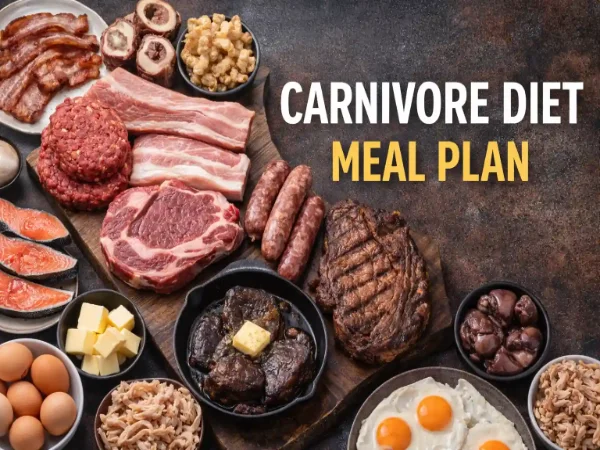
The Ultimate Carnivore Diet Meal Plan: Your Complete Guide to Animal-Based Eating Most people stumble upon the carnivore diet after years of trying everything else the paleo diet meal plan that worked for a while but plateaued, the low-carb protocols that felt restrictive, the plant-based approaches that leftthem bloated and fatigued. Then someone mentions an all-meat dietary protocol, and the reaction is usually the same: disbelief, curiosity, and eventually a deep dive into one of the most talked-about nutritional movements of the past decade. If you’ve landed here, chances are you’re ready to explore what a structured carnivore diet meal plan actually looks like in practice not in theory, but meal by meal, day by day. This guide covers everything from the foundational principles of animal-based eating to practical daily food regimens, beginner strategies, and honest answers to the questions people ask most. Whether your goal is fat loss, reduced inflammation, improved gut health, or simply reclaiming energy that’s been missing for years, the framework laid out here gives you a clear, actionable starting point. Explore our complete weight loss guide for foundational principles that complement any dietary approach. What Is the Carnivore Diet and Why Is It Gaining Momentum The carnivore diet is exactly what it sounds like a zero-carb protocol built entirely around animal products. Beef, lamb, pork, poultry, fish, eggs, and select dairy form the entire nutritional foundation. No vegetables, no fruit, no grains, no legumes. For people accustomed to being told that fiber and plant compounds are non-negotiable for health, this sounds extreme. But for a growing community of practitioners, the results speak louder than conventional wisdom. At its core, animal-based eating operates on a simple premise: humans evolved primarily as meat-eaters, and our digestive systems are optimized for animal proteins and fats rather than plant matter. Proponents argue that eliminating plant-based foods removes antinutrients compounds like oxalates, lectins, and phytates that can trigger inflammation, disrupt gut lining, and interfere with mineral absorption in sensitive individuals. The Science Behind Zero-Carb Eating When carbohydrates are eliminated entirely, the body enters a state of deep fat adaptation. Unlike standard ketosis where some carbohydrates remain in the diet the carnivore approach pushes metabolic flexibility to its limits. The liver produces ketone bodies from dietary fat and stored body fat, providing a consistent, clean fuel source for the brain and muscles. This metabolic shift has significant implications for insulin resistance. Without carbohydrates driving insulin spikes, blood sugar stabilizes remarkably quickly for most people. Those who have struggled with energy crashes, sugar cravings, and afternoon fatigue often report that these symptoms disappear within the first two weeks of committing to a meat-based diet. Who Benefits Most from Animal-Based Nutrition Research and anecdotal evidence both point to specific groups who experience the most dramatic improvements on this dietary protocol. Individuals dealing with autoimmune conditions including psoriasis, rheumatoid arthritis, and inflammatory bowel disease frequently report significant symptom reduction. People with metabolic syndrome, obesity, and type 2 diabetes often see rapid improvements in blood markers. Athletes seeking lean muscle preservation without the carbohydrate dependency find that animal proteins provide complete amino acid profiles without compromise. Our diet plans section covers the full spectrum of nutritional approaches so you can compare frameworks and make an informed decision. Building Your Carnivore Diet Meal Plan: The Foundation A well-constructed meat-based food regimen isn’t simply eating random animal products throughout the day. Strategic food choices, proper fat-to-protein ratios, and meal timing all influence how effectively your body adapts and how sustainable the approach becomes long-term. The most important principle for beginners is prioritizing fatty cuts of meat over lean proteins. This surprises many people who associate fat loss with low-fat eating. On a zero-carb protocol, dietary fat becomes your primary energy source. Without sufficient fat intake, you’ll experience fatigue, hunger, and what the carnivore community calls “rabbit starvation” a state of protein toxicity that occurs when lean meat is consumed without adequate fat. Ideal Foods for Your Meat-Based Dietary Protocol Ruminant meats form the cornerstone of most carnivore meal plans: Ribeye steak the gold standard, with an ideal fat-to-protein ratio Ground beef (80/20 fat content) affordable, versatile, nutrient-dense Brisket, short ribs, chuck roast collagen-rich cuts that support joint health Lamb chops and shoulder rich in zinc, iron, and B vitamins Organ meats liver, heart, and kidney provide concentrated micronutrients that rival any multivitamin Pork and poultry: Bacon high fat, satisfying, and surprisingly nutrient-rich when sourced well Pork belly and shoulder excellent fat content for sustained energy Chicken thighs with skin far superior to breast meat on this protocol Seafood: Salmon rich in omega-3 fatty acids that reduce systemic inflammation Sardines one of the most nutrient-dense foods on the planet Oysters exceptional zinc content for hormonal health Supporting foods: Eggs complete protein with perfect fat balance Butter and tallow cooking fats that add calories without complexity Bone broth collagen, electrolytes, and gut-supportive compounds Pair your meat choices with appropriate cooking techniques from our recipes section. Understanding Fat Adaptation on a Carnivore Protocol Fat adaptation is the physiological process by which your metabolism shifts from relying on glucose to efficiently burning fat for fuel. This transition typically takes two to four weeks and involves a temporary adjustment period that many people call the “carnivore flu” characterized by fatigue, headaches, brain fog, and irritability. Understanding this phase is critical for success. Most people who abandon the protocol do so during this adaptation window, mistakenly believing the diet doesn’t work for them. In reality, these symptoms signal that the metabolic transition is actively occurring. Adequate sodium intake through salt and bone broth dramatically reduces the severity of these symptoms by maintaining electrolyte balance as the kidneys adjust to lower insulin levels. Your 7-Day Carnivore Diet Meal Plan Here is a practical, detailed weekly food regimen designed for beginners transitioning to animal-based eating. Each day provides approximately 2,000 to 2,500 calories with a fat-to-protein ratio of roughly 70:30 the sweet spot for most people entering fat adaptation. Day 1 to Day 3: The


Supplements
While speaking to reporters at the White House alongside Trump, Vance ‘sidestepped’ a question regarding his previous statements on West Asia, ‘You’re trying to drive a wedge between members of the administration, between me and the president. What the president said consistently going back to 2015, and I agreed with him, is that Iran should not According to CNN, when pressed further on whether he had any reservations about US involvement in the war with Iran, Vance reiterated his support, saying he trusts the president ‘to get the job done.’

Fitness & Workout
Risk Warning: Trading in securities involves significant risk. Prices may fluctuate and securities can become entirely valueless. You may incur losses that exceed your potential profits, and in some cases, losses may exceed the amount you have deposited. Securities, futures, options, and contracts for differences are complex financial instruments and are not suitable for all investors. Engaging in such transactions requires a sound understanding of the associated risks. Please read and ensure you fully understand our. Our leverage is dynamic and may change at any time. Such changes may affect your positions and margin requirements. You are responsible for monitoring your positions and maintaining sufficient margin at all times.

Recipes
According to CNN, the Marine Corps veteran had also warned about escalation in 2020 following the killing of an Iranian commander and was privately sceptical about US strikes on Yemen’s Houthi rebels, as suggested in private messages from ‘Signal-gate’ last year. Meanwhile, around 200 US troops have been wounded or injured across seven countries during the ongoing military campaign against Iran, CNN reported, citing US Central Command spokesperson Timothy Hawkins.

Diet Plans
According to CNN, the Marine Corps veteran had also warned about escalation in 2020 following the killing of an Iranian commander and was privately sceptical about US strikes on Yemen’s Houthi rebels, as suggested in private messages from ‘Signal-gate’ last year. Meanwhile, around 200 US troops have been wounded or injured across seven countries during the ongoing military campaign against Iran, CNN reported, citing US Central Command spokesperson Timothy Hawkins.


Men’s Weight Loss
They inked Cody Bellinger to a five-year, $162.5 million contract and extended a qualifying offer to Trent Grisham after both opted out of their contracts. They also re-signed Ryan Yarbrough, Amed Rosario and Paul Blackburn, electing to basically enter 2026 with their 2025 roster, with the hope for better injury luck. But it feels entirely possible that the Yankees are once again sitting in second place in August and wishing they had pursued that outside top free-agent arm or bat to push their roster over the top.

Women’s Weight Loss
They inked Cody Bellinger to a five-year, $162.5 million contract and extended a qualifying offer to Trent Grisham after both opted out of their contracts. They also re-signed Ryan Yarbrough, Amed Rosario and Paul Blackburn, electing to basically enter 2026 with their 2025 roster, with the hope for better injury luck. But it feels entirely possible that the Yankees are once again sitting in second place in August and wishing they had pursued that outside top free-agent arm or bat to push their roster over the top.
Tirzepatide Maintenance Dose After Weight Loss
Tirzepatide Maintenance Dose After Weight Loss What Happens When You Hit Your Goal? You have crossed the finish line. Months of discipline, weekly injections, and gradual dose escalation have paid off the scale finally shows the number you have been chasing. But here is the question nobody warns you about: what comes next? Understanding the right tirzepatide maintenance dose after weight loss is arguably more important than the weight-loss phase itself, because this is where most people slip up. Clinical data on tirzepatide weight loss before and after results consistently shows dramatic transformations but those results only stick when the transition from active dosing to long-term management is handled correctly. This guide walks you through exactly how to navigate that transition, what science says about staying on this dual GIP/GLP-1 receptor agonist long-term, and how to protect every kilogram you have fought so hard to lose. Why Maintenance Dosing Is a Different Game Entirely The Biology Behind Weight Regain Your body does not surrender fat willingly. After significant weight loss, the human body activates a series of adaptive hormonal responses leptin drops, ghrelin rises, and metabolic rate slows. This is not a character flaw; it is evolutionary biology doing exactly what it was designed to do. Research published in The New England Journal of Medicine found that participants who discontinued the medication regained approximately two-thirds of their lost weight within a year. This single finding reshaped how physicians now think about long-term obesity management. The weekly injection is not a short-course antibiotic it is closer in philosophy to a blood pressure medication: something many patients benefit from indefinitely. This is why the concept of a maintenance phase exists. Rather than stopping treatment the moment the goal weight is reached, clinicians now recommend transitioning to the lowest effective dose that keeps hunger, appetite regulation, and metabolic function in balance. Think of it as finding the floor the minimum therapeutic level at which your body remains in equilibrium. For many patients, that floor is lower than the peak dose used during active weight reduction, but it is rarely zero. If you have been following a structured weight loss guide and tracking your progress carefully, you are already ahead of most patients entering this phase. How the Body Responds to Dose Reduction When the dose is tapered thoughtfully, most patients report a modest increase in appetite compared to their peak-dose experience but far less hunger than they felt before starting treatment altogether. The dual mechanism targeting both GIP and GLP-1 receptors continues to regulate gastric emptying and satiety signaling even at lower concentrations. Blood glucose control, insulin sensitivity improvements, and cardiovascular benefits also persist, though the magnitude may vary by individual. The key insight here is that maintenance is not withdrawal it is calibration. Your physician is not removing the medication; they are finding the minimum dose that preserves the metabolic environment your body has adapted to. Patients who understand this distinction tend to have far better long-term outcomes than those who view stopping as the natural endpoint of treatment. Interestingly, many users who document their personal weight loss transformation report that the maintenance phase felt psychologically harder than the active phase not because of hunger, but because of the uncertainty around whether the results would hold. The Tirzepatide Dosage Chart for Weight Loss: From Active Phase to Maintenance Standard Escalation and Where Maintenance Begins The standard escalation protocol starts at 2.5 mg weekly for the first four weeks, then increases by 2.5 mg increments every four weeks as tolerated. The therapeutic range spans from 5 mg to 15 mg weekly, with 10 mg and 15 mg being the doses where the most significant fat reduction occurs in clinical trials. Using a proper tirzepatide dosage chart for weight loss helps patients and clinicians track this escalation systematically. Once goal weight is achieved, the clinical approach to maintenance varies by provider, but a common framework looks like this: if a patient reached their target on 10 mg, the physician may trial a step-down to 7.5 mg and monitor for four to eight weeks. If weight remains stable and hunger does not significantly increase, that becomes the maintenance dose. If weight begins creeping up or appetite surges, the dose is returned to the previously effective level. There is no universal formula the right dose is the lowest one that keeps you stable, and finding it requires patience and honest communication with your healthcare provider. Many patients also benefit from pairing this pharmacological approach with a sustainable structured nutrition plan to reduce reliance on higher doses over time. Can You Eventually Stop Completely? This is the question every patient asks, and the honest answer is: some can, most cannot at least not without behavioral and dietary support firmly in place. Obesity is a chronic condition with strong genetic and neurobiological underpinnings. For patients who have made substantial lifestyle changes, built sustainable eating habits, and maintained activity levels, a supervised trial of discontinuation under physician guidance is sometimes appropriate. However, stopping abruptly is never recommended. The withdrawal should mirror the escalation: slow, stepwise, and monitored. Even patients who successfully discontinue should have a clear plan for restarting if weight regain begins. Some clinicians use a “drug holiday” approach pausing treatment seasonally while maintaining lifestyle habits though the evidence base for this strategy is still emerging. The broader conversation about peptides for long-term weight management is evolving rapidly, and staying informed matters. How Fast Does Tirzepatide Work for Weight Loss And How Slowly Should You Taper? The Timeline of Results Most patients begin noticing appetite suppression within the first one to two weeks of starting treatment, even at the lowest 2.5 mg starting dose. Measurable weight reduction typically begins by week four, with the most dramatic changes occurring between months two and six as the dose escalates. Clinical trial data shows that participants on the highest dose lost an average of 22.5% of their body weight over 72 weeks a figure that eclipsed results seen
Semaglutide Weight Loss Before And After
Semaglutide Weight Loss Before and After Real Results, Timeline & What to Expect If you’ve been searching for semaglutide weight loss before and after results, you’re not alone. Millions of people are turning to this FDA-approved medication to tackle obesity and achieve lasting fat reduction. But what does the journey actually look like week by week, month by month? In this comprehensive guide, we break down real transformation timelines, dosage schedules, clinical data, and what to realistically expect at every stage of your semaglutide program. Whether you’re a first-time user or evaluating this treatment for long-term management, this guide covers everything you need to make an informed decision. 📑 Table of Contents What Is Semaglutide and How Does It Work? Semaglutide Weight Loss Before and After: Real Timeline Average Fat Reduction Results by Duration Semaglutide Dosage Chart (ml and Units) Maintenance Phase: Sustaining Your Results Finding a Semaglutide Clinic Near You Semaglutide vs Ozempic for Fat Loss Semaglutide and Metformin Together What If You Experience No Results? Online Program Options FAQ: Your Questions Answered What Is Semaglutide and How Does It Work? Semaglutide is a glucagon-like peptide-1 (GLP-1) receptor agonist. It mimics a hormone your intestines naturally release after eating. This hormone signals your brain to feel full, slows gastric emptying, and reduces appetite creating a calorie deficit without constant hunger. Originally developed for type 2 diabetes management (under the brand Ozempic), it was later approved at higher doses specifically for chronic body mass management under the brand name Wegovy. Clinical trials published in the New England Journal of Medicine demonstrated that participants using semaglutide lost significantly more body mass than those on a placebo. Key Mechanisms of Action Appetite suppression: Reduces hunger signals sent to the hypothalamus Slows digestion: Food stays in the stomach longer, keeping you fuller Blood sugar regulation: Reduces post-meal glucose spikes Metabolic improvement: Enhances insulin sensitivity over time For those curious about other peptide-based approaches, our guide on peptides for weight loss offers additional context. Semaglutide Weight Loss Before and After: Real Timeline Understanding what to expect at each phase helps set realistic goals. Here is a general progression based on clinical data and patient-reported outcomes: Weeks 1–4: The Adjustment Phase Most individuals begin at 0.25 mg per week. During this period, the primary goal is tolerance, not dramatic slimming. Common experiences include: Mild nausea, especially after meals Reduced appetite within the first 7–10 days Modest body mass reduction of 1–3 lbs Increased feelings of fullness after smaller portions This phase is crucial for long-term success. Do not skip it your body needs time to adapt. Weeks 5–12: Early Transformation The dose typically increases to 0.5 mg, then 1.0 mg. This is when many users begin noticing visible changes: Body mass reduction of 5–10% from baseline Clothing fits noticeably looser Energy levels often improve Cravings for processed and high-calorie foods decrease significantly Pairing semaglutide with a structured fitness plan accelerates these outcomes. Explore our fitness workout guide for routines that complement GLP-1 therapy. Months 3–6: Peak Fat Reduction Period This is where the most dramatic semaglutide before-and-after transformations occur. Clinical STEP trial data showed: Average reduction of 10–15% of total body mass Significant improvements in waist circumference Reduction in blood pressure, triglycerides, and HbA1c Improved sleep quality and mobility Months 6–12: Sustained Progress Users who remain consistent see cumulative fat reduction of 15–20% or more. At this stage, the focus often shifts toward body composition maintaining muscle while shedding remaining fat. Use our ideal body weight calculator to track your target range and adjust expectations accordingly. Average Fat Reduction Results by Duration Timeframe Avg. Body Mass Reduction Dose Range Notes 4 weeks 1–3 lbs 0.25 mg/week Tolerance building 3 months 5–10% 0.5–1.0 mg/week Visible changes begin 6 months 10–15% 1.0–2.0 mg/week Peak progress phase 12 months 15–20%+ 2.4 mg/week (max) Sustained transformation Semaglutide Dosage Chart: ml and Units Explained Understanding the dosage schedule is essential for safe and effective treatment. The titration schedule below applies to subcutaneous injections: Dosage Chart (ml) Week Dose (mg) Volume (ml)* Units (100u syringe)* 1–4 0.25 mg 0.25 ml 25 units 5–8 0.5 mg 0.5 ml 50 units 9–12 1.0 mg 1.0 ml 100 units 13–16 1.7 mg 1.7 ml 170 units 17+ 2.4 mg 2.4 ml 240 units *Based on compounded semaglutide at 1mg/ml concentration. Always confirm with your prescribing physician. For broader context on supplement-based approaches, explore our supplements guide. Semaglutide Maintenance Dose for Long-Term Success Once you reach your target, the question becomes: how do you stay there? The maintenance phase typically involves: Stable dosing: Most clinicians recommend staying at 1.0–2.4 mg/week depending on individual response Dietary habits: A calorie-controlled, protein-rich diet helps preserve lean mass Physical activity: Regular movement prevents regain Monitoring: Routine lab work and check-ins with your provider If you’re unsure how many calories to target, our TDEE calculator and calorie deficit calculator provide personalized estimates. Some patients attempt to reduce the dose gradually while monitoring their appetite and body mass. Abrupt discontinuation is associated with rebound, so consult your provider before making changes. Finding a Semaglutide Weight Loss Clinic Near You Access to treatment varies by region. Below are common options by city and program type: Top Cities with Established Clinics Semaglutide in Miami: Florida has numerous med-spas and obesity medicine clinics. Look for board-certified practitioners with GLP-1 experience. Jacksonville, FL: Growing network of endocrinology and bariatric-adjacent practices offering GLP-1 therapy. San Antonio, TX: Several weight management centers serve this region, including telehealth-based services. Las Vegas, NV: Aesthetic and wellness clinics offer injectable therapy alongside body contouring services. Tampa, FL: Home to academic medical centers that run obesity management programs with semaglutide protocols. How to Search for a Local Provider Search ‘weight loss clinic near me semaglutide’ on Google Maps Check your insurance provider’s directory for covered GLP-1 specialists Ask your primary care physician for a referral to an endocrinologist Look for telehealth providers who ship compounded semaglutide
Carnivore Diet Meal Plan
The Ultimate Carnivore Diet Meal Plan: Your Complete Guide to Animal-Based Eating Most people stumble upon the carnivore diet after years of trying everything else the paleo diet meal plan that worked for a while but plateaued, the low-carb protocols that felt restrictive, the plant-based approaches that leftthem bloated and fatigued. Then someone mentions an all-meat dietary protocol, and the reaction is usually the same: disbelief, curiosity, and eventually a deep dive into one of the most talked-about nutritional movements of the past decade. If you’ve landed here, chances are you’re ready to explore what a structured carnivore diet meal plan actually looks like in practice not in theory, but meal by meal, day by day. This guide covers everything from the foundational principles of animal-based eating to practical daily food regimens, beginner strategies, and honest answers to the questions people ask most. Whether your goal is fat loss, reduced inflammation, improved gut health, or simply reclaiming energy that’s been missing for years, the framework laid out here gives you a clear, actionable starting point. Explore our complete weight loss guide for foundational principles that complement any dietary approach. What Is the Carnivore Diet and Why Is It Gaining Momentum The carnivore diet is exactly what it sounds like a zero-carb protocol built entirely around animal products. Beef, lamb, pork, poultry, fish, eggs, and select dairy form the entire nutritional foundation. No vegetables, no fruit, no grains, no legumes. For people accustomed to being told that fiber and plant compounds are non-negotiable for health, this sounds extreme. But for a growing community of practitioners, the results speak louder than conventional wisdom. At its core, animal-based eating operates on a simple premise: humans evolved primarily as meat-eaters, and our digestive systems are optimized for animal proteins and fats rather than plant matter. Proponents argue that eliminating plant-based foods removes antinutrients compounds like oxalates, lectins, and phytates that can trigger inflammation, disrupt gut lining, and interfere with mineral absorption in sensitive individuals. The Science Behind Zero-Carb Eating When carbohydrates are eliminated entirely, the body enters a state of deep fat adaptation. Unlike standard ketosis where some carbohydrates remain in the diet the carnivore approach pushes metabolic flexibility to its limits. The liver produces ketone bodies from dietary fat and stored body fat, providing a consistent, clean fuel source for the brain and muscles. This metabolic shift has significant implications for insulin resistance. Without carbohydrates driving insulin spikes, blood sugar stabilizes remarkably quickly for most people. Those who have struggled with energy crashes, sugar cravings, and afternoon fatigue often report that these symptoms disappear within the first two weeks of committing to a meat-based diet. Who Benefits Most from Animal-Based Nutrition Research and anecdotal evidence both point to specific groups who experience the most dramatic improvements on this dietary protocol. Individuals dealing with autoimmune conditions including psoriasis, rheumatoid arthritis, and inflammatory bowel disease frequently report significant symptom reduction. People with metabolic syndrome, obesity, and type 2 diabetes often see rapid improvements in blood markers. Athletes seeking lean muscle preservation without the carbohydrate dependency find that animal proteins provide complete amino acid profiles without compromise. Our diet plans section covers the full spectrum of nutritional approaches so you can compare frameworks and make an informed decision. Building Your Carnivore Diet Meal Plan: The Foundation A well-constructed meat-based food regimen isn’t simply eating random animal products throughout the day. Strategic food choices, proper fat-to-protein ratios, and meal timing all influence how effectively your body adapts and how sustainable the approach becomes long-term. The most important principle for beginners is prioritizing fatty cuts of meat over lean proteins. This surprises many people who associate fat loss with low-fat eating. On a zero-carb protocol, dietary fat becomes your primary energy source. Without sufficient fat intake, you’ll experience fatigue, hunger, and what the carnivore community calls “rabbit starvation” a state of protein toxicity that occurs when lean meat is consumed without adequate fat. Ideal Foods for Your Meat-Based Dietary Protocol Ruminant meats form the cornerstone of most carnivore meal plans: Ribeye steak the gold standard, with an ideal fat-to-protein ratio Ground beef (80/20 fat content) affordable, versatile, nutrient-dense Brisket, short ribs, chuck roast collagen-rich cuts that support joint health Lamb chops and shoulder rich in zinc, iron, and B vitamins Organ meats liver, heart, and kidney provide concentrated micronutrients that rival any multivitamin Pork and poultry: Bacon high fat, satisfying, and surprisingly nutrient-rich when sourced well Pork belly and shoulder excellent fat content for sustained energy Chicken thighs with skin far superior to breast meat on this protocol Seafood: Salmon rich in omega-3 fatty acids that reduce systemic inflammation Sardines one of the most nutrient-dense foods on the planet Oysters exceptional zinc content for hormonal health Supporting foods: Eggs complete protein with perfect fat balance Butter and tallow cooking fats that add calories without complexity Bone broth collagen, electrolytes, and gut-supportive compounds Pair your meat choices with appropriate cooking techniques from our recipes section. Understanding Fat Adaptation on a Carnivore Protocol Fat adaptation is the physiological process by which your metabolism shifts from relying on glucose to efficiently burning fat for fuel. This transition typically takes two to four weeks and involves a temporary adjustment period that many people call the “carnivore flu” characterized by fatigue, headaches, brain fog, and irritability. Understanding this phase is critical for success. Most people who abandon the protocol do so during this adaptation window, mistakenly believing the diet doesn’t work for them. In reality, these symptoms signal that the metabolic transition is actively occurring. Adequate sodium intake through salt and bone broth dramatically reduces the severity of these symptoms by maintaining electrolyte balance as the kidneys adjust to lower insulin levels. Your 7-Day Carnivore Diet Meal Plan Here is a practical, detailed weekly food regimen designed for beginners transitioning to animal-based eating. Each day provides approximately 2,000 to 2,500 calories with a fat-to-protein ratio of roughly 70:30 the sweet spot for most people entering fat adaptation. Day 1 to Day 3: The